A home requires regular attention to remain comfortable, functional, and safe. From the condition of the roof to the reliability of the electrical system, every part of a property contributes to how well it serves the people who live there. Over time, normal wear, changing weather conditions, aging materials, and everyday use can create problems that require professional attention. Addressing these concerns promptly helps homeowners maintain their properties and avoid allowing minor issues to develop into more extensive repairs.
Home maintenance also involves more than responding to visible damage. Some problems develop behind walls, beneath floors, inside ventilation systems, or around the foundation. Others become noticeable through changes in indoor comfort, water pressure, energy use, or the performance of household equipment. Recognizing these warning signs and arranging appropriate service can help protect the home’s condition and support its long-term functionality.
Professional home repair services address a wide range of property needs, from maintaining outdoor structures to improving indoor systems and resolving utility concerns. Experienced service providers have the training, equipment, and knowledge to evaluate specific problems and recommend appropriate solutions. Understanding the different types of services available helps homeowners make informed decisions about maintaining their properties, planning improvements, and responding to unexpected repair needs.
Maintaining Comfortable Indoor Temperatures Throughout the Year
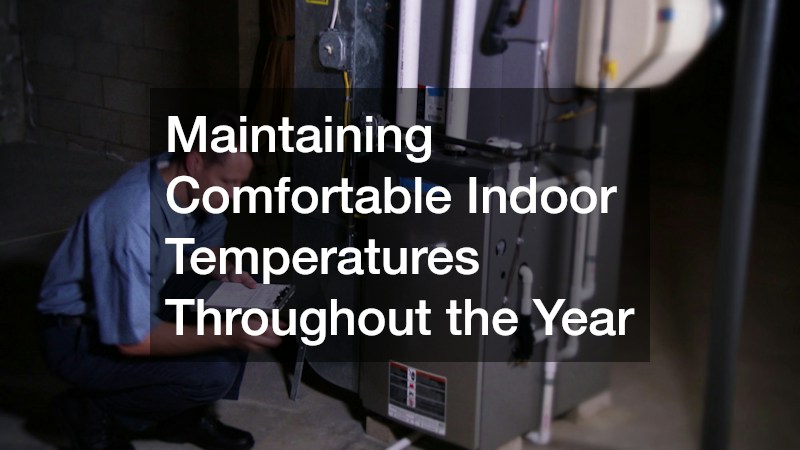
A dependable heating and cooling system plays an important role in maintaining comfortable indoor temperatures. Homeowners rely on these systems during seasonal temperature changes, making their performance essential throughout the year. However, equipment can experience wear, airflow restrictions, and mechanical problems that affect its ability to heat or cool a home effectively. Routine maintenance and timely repairs help keep these systems operating as intended.
Working with experienced HVAC contractors can help homeowners address problems such as inconsistent temperatures, unusual noises, weak airflow, and systems that cycle on and off frequently. These symptoms can indicate issues involving thermostats, electrical components, refrigerant levels, or other equipment parts. A professional evaluation helps identify the source of the problem and determine whether a repair, component replacement, or broader system assessment is appropriate.
Heating and cooling maintenance also supports indoor comfort and equipment longevity. Dirty filters, obstructed vents, and neglected components can interfere with system performance. Professional service providers can inspect equipment, clean applicable components, and identify developing concerns before they lead to unexpected breakdowns. Homeowners who schedule regular maintenance can also discuss system performance and potential improvements that better accommodate their household’s heating and cooling needs.
Keeping Outdoor Living Spaces Safe and Functional
Decks provide additional living space for relaxing, entertaining guests, and enjoying outdoor activities. However, constant exposure to sunlight, rain, moisture, and temperature changes can gradually affect the materials used to construct these structures. Wood can deteriorate, fasteners can loosen, and railings or support components can become unstable. Regular inspections help homeowners recognize these concerns and determine when professional attention is necessary.
Professional deck repairs address problems that affect a deck’s appearance, stability, and usability. Damaged boards, deteriorating steps, loose railings, and weakened structural connections can create safety concerns if left unresolved. A qualified contractor can evaluate the affected areas, identify the extent of the damage, and recommend suitable repair methods. Depending on the condition of the structure, work may involve replacing individual boards, reinforcing supports, or addressing damaged sections of the railing system.
Maintaining an outdoor structure also involves considering the condition of its protective finishes and materials. Staining, sealing, and other appropriate maintenance treatments can help protect certain deck surfaces from moisture and environmental exposure. Homeowners should also pay attention to drainage around the structure, as standing water can contribute to material deterioration. Addressing maintenance concerns as they develop helps preserve the deck’s functionality and supports safer outdoor use.
Directing Rainwater Away From Your Home
A home’s gutter system helps manage rainwater by collecting runoff from the roof and directing it away from the structure. When gutters become clogged, damaged, or improperly positioned, water may overflow or collect near the foundation. Over time, poor drainage can contribute to soil erosion, landscaping damage, basement moisture, and other property concerns. Maintaining the gutter system is an important part of protecting the home’s exterior.
Experienced gutter companies can inspect existing systems to identify problems that interfere with proper drainage. Common concerns include loose fasteners, separated joints, sagging sections, damaged downspouts, and accumulated leaves or debris. Professionals can recommend cleaning, repairs, or replacement depending on the system’s condition. They can also evaluate whether downspouts direct water far enough away from the foundation to support effective drainage.
Seasonal maintenance is particularly important for homes surrounded by trees or properties that experience frequent storms. Leaves, twigs, and other debris can accumulate inside gutters and restrict water movement. Heavy rainfall may then cause water to spill over the edges rather than travel through the intended drainage system. Scheduling periodic inspections and cleaning helps homeowners identify developing issues and maintain the gutter system’s ability to manage roof runoff.
Supporting Better Indoor Airflow and Air Quality
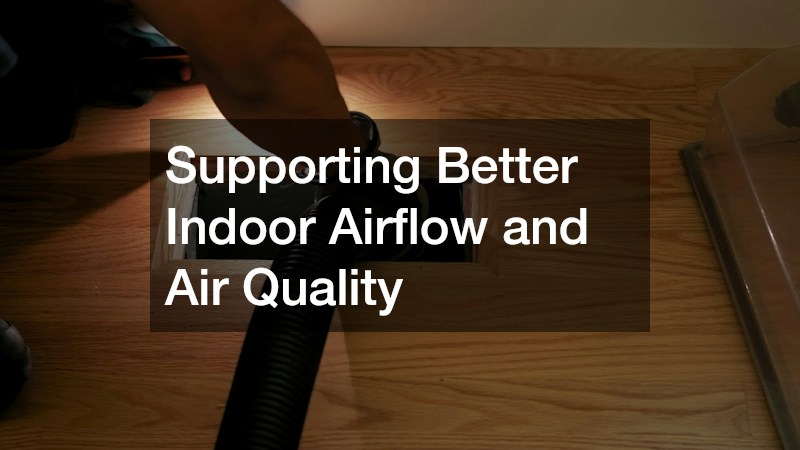
Indoor air quality can affect household comfort, particularly in homes where heating and cooling systems operate frequently. Dust, pollen, pet dander, and other airborne particles can accumulate throughout a property. Some of these contaminants may collect inside ventilation components and ductwork over time. Maintaining the HVAC system and addressing applicable indoor air concerns can help support a cleaner and more comfortable living environment.
Professional duct cleaning can help remove accumulated dust and debris from accessible portions of a home’s air distribution system when cleaning is warranted. This service may be appropriate when homeowners notice visible debris around supply registers, evidence of pest activity, or substantial contamination inside ductwork. A qualified service provider can inspect the system and explain whether cleaning is necessary based on its actual condition rather than recommending unnecessary work.
Homeowners should also consider other factors that influence indoor air quality. Regularly replacing HVAC filters according to manufacturer recommendations helps prevent excessive particle buildup and supports appropriate airflow. Keeping vents unobstructed and addressing moisture problems can also contribute to a healthier indoor environment. When professional cleaning is recommended, homeowners should ask which system components will be addressed and what steps will be taken to protect the surrounding living areas.
Maintaining a Consistent and Reliable Water Supply
Homes that rely on private wells depend on pumping equipment to deliver water from the well into the household plumbing system. When this equipment develops a problem, residents may experience reduced water pressure, inconsistent water delivery, or a complete loss of water service. Because the pump supports an essential household function, addressing performance concerns promptly is important.
Professional water well pump repair can help identify problems involving the pump, pressure tank, electrical connections, pressure switch, and related equipment. Symptoms such as frequent pump cycling, unusual noises, fluctuating pressure, or unexpected increases in electrical use can indicate that the system needs attention. A qualified technician can evaluate the equipment, determine the likely cause of the problem, and recommend an appropriate repair.
Well systems also benefit from periodic inspections and attention to changing performance. A pump that runs continuously or struggles to maintain pressure may be experiencing mechanical or electrical difficulties. Waiting until the equipment stops working entirely can leave a household without a dependable water supply. Professional service helps homeowners address developing concerns and determine whether existing equipment can be repaired or requires replacement. Homeowners should also follow applicable recommendations for private well water testing to monitor water quality separately from mechanical system performance.
Identifying Hidden Plumbing Problems Before Damage Spreads
Water leaks can develop in areas that are difficult to inspect, including behind walls, beneath flooring, inside ceilings, and around underground plumbing lines. Because these problems are not always immediately visible, homeowners may not recognize them until water damage becomes noticeable. Discoloration, musty odors, peeling paint, unexplained increases in water bills, and damp areas can indicate a possible leak.
Professional leak detection services use appropriate tools and inspection methods to help locate the source of hidden water loss. Depending on the plumbing system and suspected problem, professionals may use specialized listening equipment, moisture meters, thermal imaging, or other diagnostic technology. These methods can help narrow down the location of a leak without requiring unnecessary disruption to large portions of the property.
Finding a leak is only part of resolving the problem. Once the source has been identified, a qualified plumbing professional can determine what repairs are needed and whether surrounding materials have sustained damage. Addressing leaks promptly can help limit water waste and reduce the likelihood of additional problems involving drywall, flooring, insulation, and structural components. Homeowners who notice unexplained moisture or changes in water usage should arrange an inspection rather than assuming the issue will resolve on its own.
Protecting Your Home From Weather-Related Damage
The roof serves as one of the home’s primary protective barriers against rain, wind, snow, and sunlight. Its condition affects the property’s ability to keep moisture out and maintain a stable indoor environment. Over time, roofing materials can deteriorate because of weather exposure, aging, storm damage, or improper installation. Regular inspections help homeowners recognize problems that could compromise the roof’s performance.
A professional roofing contractor can evaluate shingles, flashing, roof penetrations, ventilation components, and other areas where damage or deterioration may occur. Missing shingles, damaged flashing, sagging sections, and water stains inside the home can indicate that the roof needs attention. Professionals can determine whether localized repairs are appropriate or whether the overall condition of the roofing system warrants more extensive work.
Roof maintenance also involves paying attention to the surrounding drainage system and the condition of nearby trees. Overhanging branches can scrape roofing materials or fall during severe weather, while clogged gutters can contribute to water accumulation along roof edges. After significant storms, homeowners should watch for visible signs of damage and arrange a professional assessment when concerns arise. Addressing roofing problems early helps protect interior materials and reduces the potential for moisture-related damage throughout the property.
Coordinating Home Improvements and Structural Updates
Home improvement projects can involve several parts of a property, including interior spaces, exterior features, structural components, and essential household systems. Whether homeowners are updating an older property or addressing multiple maintenance concerns, coordinating the work helps keep projects organized. Proper planning also helps ensure that improvements accommodate the home’s existing structure and intended use.
Professional residential contractors can assist with projects that require construction knowledge, scheduling, and coordination between different trades. Their services may include remodeling, structural repairs, room additions, and other property improvements. Depending on the project’s scope, contractors may coordinate carpenters, plumbers, electricians, and other qualified professionals to complete the necessary work. This approach helps homeowners manage projects that involve several related tasks.
Before beginning a significant improvement, homeowners should discuss the project’s scope, expected timeline, materials, and applicable permit requirements with the contractor. Clear communication helps establish expectations and reduces misunderstandings during the construction process. It is also important to confirm that the contractor has the appropriate qualifications and insurance for the work being performed. Careful coordination supports a more organized project and helps ensure that improvements address the property’s actual needs.
Keeping Household Electrical Systems Operating Safely
Electrical systems power many of the devices and appliances households depend on every day. Lighting, heating equipment, kitchen appliances, outlets, and other electrical components must operate reliably to support normal household activities. However, wiring and electrical equipment can deteriorate, become overloaded, or develop faults that create performance and safety concerns.
Professional residential electricians can inspect electrical systems and address problems such as frequently tripped breakers, malfunctioning outlets, flickering lights, and damaged wiring. These symptoms can have several possible causes, including overloaded circuits, loose connections, aging components, or problems within the electrical panel. A professional assessment helps determine whether repairs, replacements, or system upgrades are necessary.
Homeowners should also consider whether their electrical systems can accommodate current household demands. Older properties may have electrical panels or wiring that were not designed for modern appliances, home offices, and other equipment. An electrician can evaluate the existing setup and recommend appropriate improvements when needed. Regular attention to electrical concerns helps homeowners maintain dependable power while addressing potential hazards before they create more serious problems.
Addressing Electrical Issues With Proper Training and Credentials
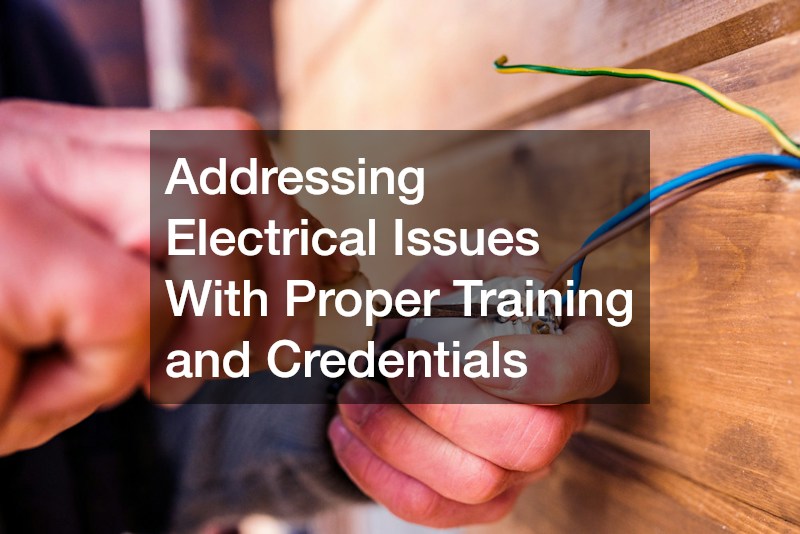
Electrical work requires specialized knowledge because mistakes involving wiring, circuits, and electrical equipment can create serious safety risks. Even seemingly minor problems can involve underlying issues that are not immediately apparent. Homeowners should therefore consider professional qualifications when selecting someone to inspect or repair an electrical system.
Hiring a licensed electrician provides an opportunity to work with a professional who has met the applicable licensing requirements for their area. Licensing standards vary by state and local jurisdiction, but they generally establish minimum qualifications for performing certain types of electrical work. Homeowners can ask about licensing, insurance, and relevant experience before scheduling a service. These details help clarify whether a provider is qualified to handle the requested project.
Electrical projects can range from replacing outdated components to installing new circuits or addressing problems with an electrical panel. The appropriate professional can evaluate the work, explain applicable requirements, and determine whether permits or inspections are necessary. Homeowners should also avoid relying on temporary fixes when an electrical problem continues to occur. Having concerns evaluated by a properly qualified professional helps support safer repairs and more dependable household electrical operation.
Keeping a home in good condition involves paying attention to many interconnected systems and structures. Heating and cooling equipment, roofing materials, gutters, plumbing, electrical components, and outdoor features all contribute to the property’s overall functionality. When one area begins to deteriorate, the resulting problems can sometimes affect other parts of the home. Regular maintenance and timely repairs help homeowners address these concerns while supporting the property’s long-term condition.
Professional home repair services give homeowners access to the knowledge and equipment needed to evaluate problems, complete appropriate repairs, and plan necessary improvements. Rather than waiting for a system to fail completely, homeowners can arrange inspections when they notice warning signs such as unusual noises, moisture, inconsistent performance, or visible deterioration. Addressing these issues early can help limit additional damage and reduce disruptions to everyday routines.
Choosing qualified service providers is another important part of responsible property maintenance. Homeowners should consider relevant experience, licensing requirements, insurance coverage, and the scope of work when selecting professionals. Clear communication about the problem, recommended repairs, and expected costs also helps establish realistic expectations before work begins. By giving each part of the property appropriate attention, homeowners can maintain a more comfortable living environment, protect important investments, and support the reliable operation of essential household systems for years to come.